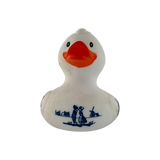
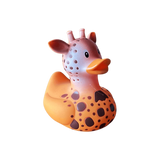
Walk around almost any big cruise ship these days and you will find them: small rubber ducks tucked behind a railing, sitting on a lift button panel, waiting on a deck chair. Some have a tag around their neck. Some are wearing a captain's hat. This is cruise ducking, and it has quietly become one of the most popular games at sea.
What is cruise ducking?
You bring a bag of rubber ducks on your cruise and hide them around the ship for other passengers to find. Whoever finds one can keep it, hide it again, or post a photo in the cruise's Facebook group. Many people attach a little tag with the ship name, the date and a hashtag like #cruiseducks, so the duck's journey can be followed online.
It grew out of Jeep ducking, where drivers leave ducks on each other's cars, and spread through cruise groups as a cheap, simple way to make a stranger smile. Kids love the hunt, but most of the hiders are adults.
The best ducks to bring on board
Most cruise duckers bring a mix: a handful of small ducks to hide everywhere, and a few special ones for the spots they really want photographed.
 Mini Pirate€7.00Shop now
 Captain Bluehead€12.95Shop now
 Sailor White€12.95Shop now
 Stewardess Petra€12.95Shop now
 Daly Diver€12.95Shop now
 Gloria Globetrotter€12.95Shop now
- Small and light: our mini ducks are €7 each. Twenty of them barely take up space in your hand luggage.
- On theme: pirates, sailors, divers and stewardesses get the most photos.
- The keeper: one bigger, special duck that you photograph in every port and take home again.
3 ducks −10%, 5 or more −15%. Mix any you like; the discount is applied automatically in your cart. Spend €35 or more and a Sharky keychain is added to your order for free. Shipped within 1–2 days, 14 days to return.
The rules in 2026: which cruise lines restrict it?
No major cruise line has banned rubber ducks. A few have asked passengers to be careful about where they hide them:
- One family-focused cruise line (since January 2024) asks guests not to hide items such as rubber ducks in public areas or staterooms. Crew may collect them.
- Royal Caribbean (since July 2025) made the Central Park area on its Oasis- and Icon-class ships a "duck free zone" to protect the real plants there. Ducks are fine elsewhere on board.
- Marella Cruises (since August 2026) asks guests in its onboard newsletters not to leave toys and small items around the ship or in ports.
Rules change, so check your cruise line's guest conduct page and the daily newsletter before you start hiding.
Where to hide them (and where not to)
Good spots are places where people pause and look around: lift lobbies, the library, a ledge near the photo gallery, the arm of a deck chair. Easy to spot, never in the way.
Avoid plants, pools and hot tubs, food counters and buffets, emergency equipment, stairs and anywhere crew have to work. And never leave ducks in ports or on beaches: that is litter, not a game.
Tips from people who do it every trip
- Write a short tag: ship, date, "keep me or hide me again".
- Pack the ducks in your cabin bag so they are with you on day one.
- Hide a few each day instead of all at once. The fun lasts the whole cruise.
- Order 1–2 weeks before you sail so they arrive in time.
Frequently asked questions
Is cruise ducking allowed?
Yes, on almost every cruise line. A few lines, such as Royal Caribbean (Central Park only) and Marella, ask guests to limit or avoid hiding items, but none have banned ducks. Always check the rules of your own ship.
How many ducks should I bring?
Most people bring 10 to 30 for a week-long cruise. Mini ducks are the easiest to pack in quantity.
What do I write on a cruise duck tag?
The ship name, the sailing date, a hashtag like #cruiseducks and "keep me or hide me again".
Can I bring rubber ducks in my hand luggage?
Yes. Rubber ducks are not liquids or restricted items, and mini ducks weigh only a few grams.